Skip to content
Khimshiashvili

The Cellar

Twenty-five vessels. Buried in the earth. Working since 2017.

What UNESCO recognised in 2013 and what our family has been doing since 1991.

01

What is a qvevri?

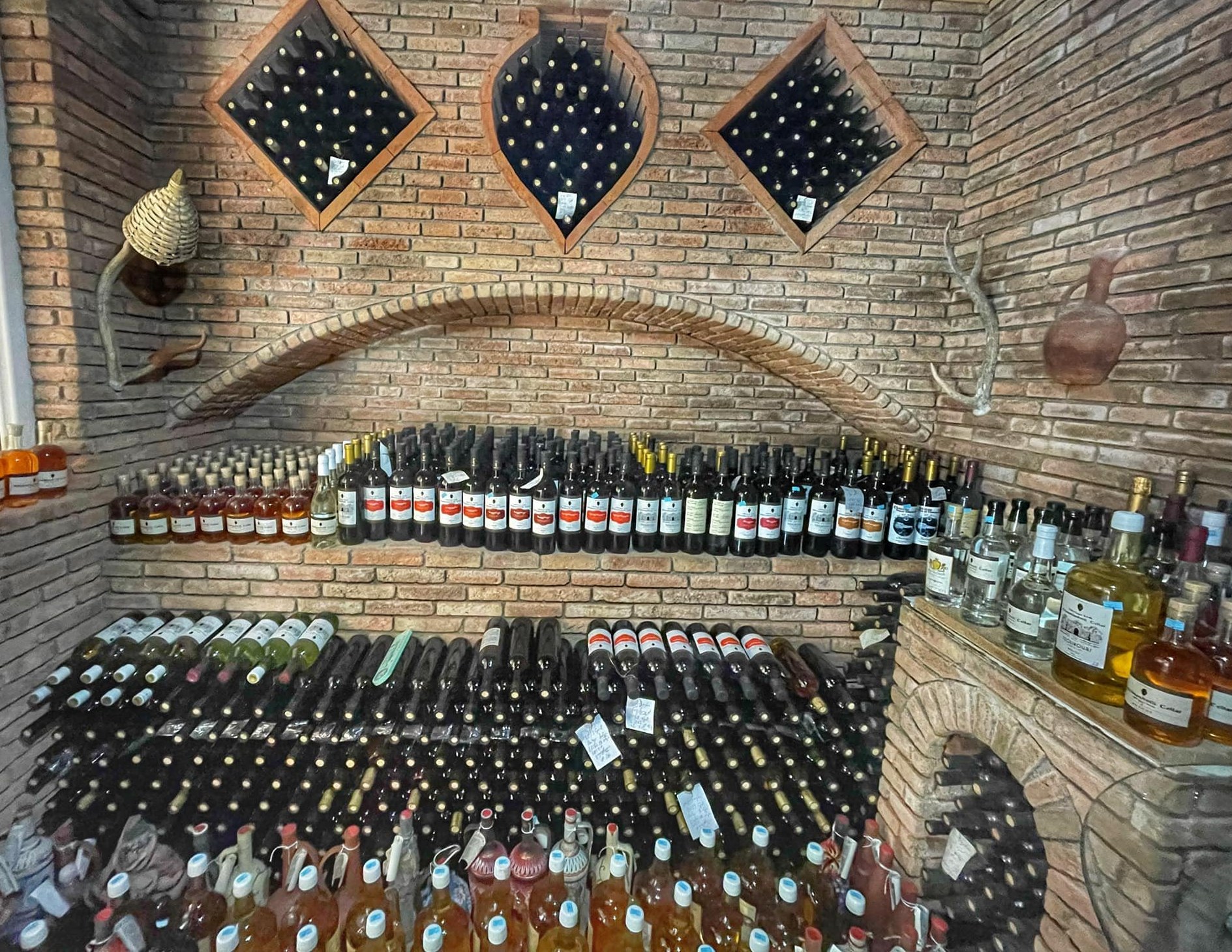
A qvevri (ქვევრი — a large clay vessel, traditionally egg-shaped, buried to the neck in the cellar floor) has been the primary vessel for Georgian wine for more than 8,000 years. Clay that is illite-rich, fired at 900–1,050°C, with a porosity that breathes and a thermal mass that holds 12–15°C through every season. Sealed with beeswax. No yeast added. No temperature control beyond the earth itself.
02

The process, step by step

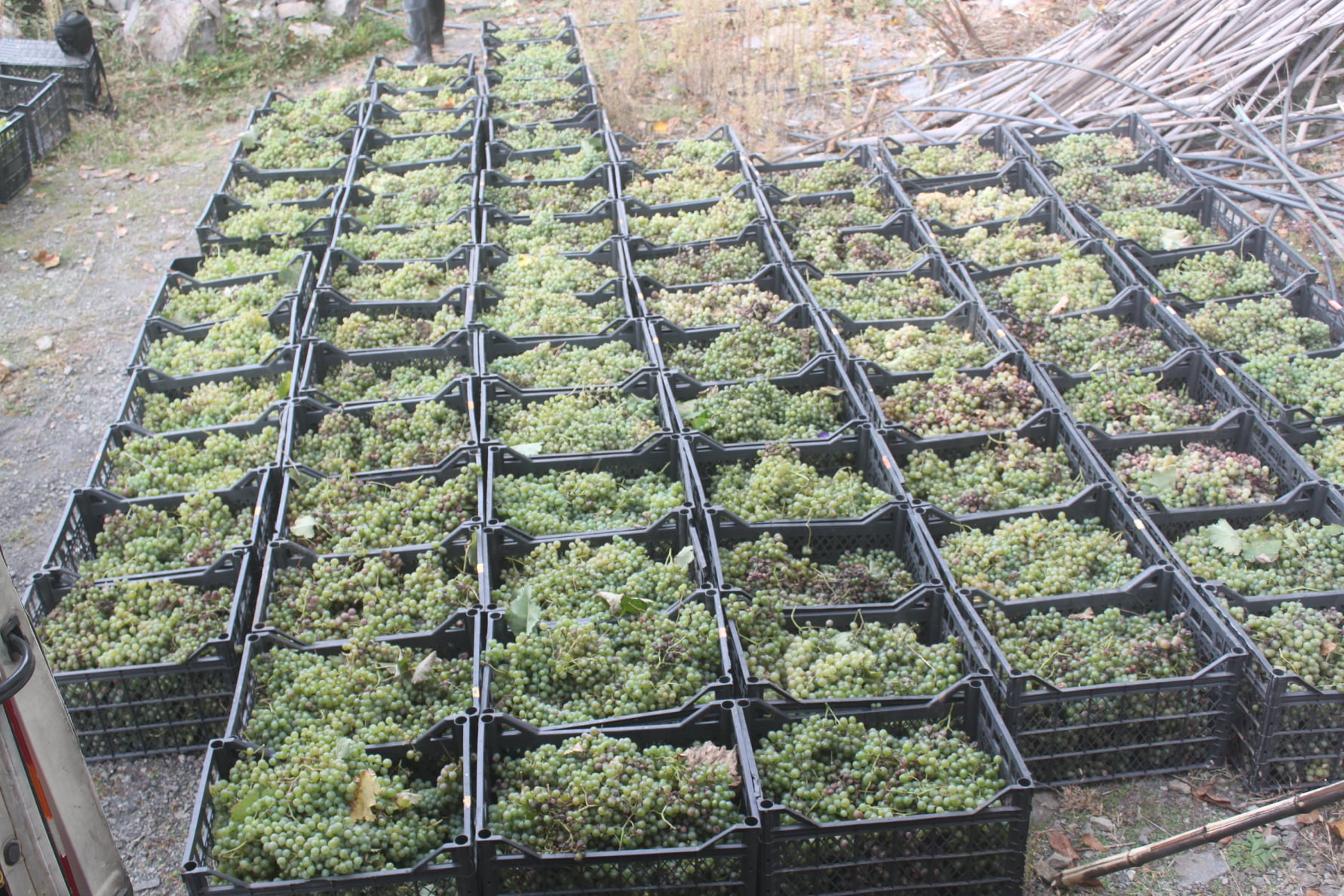
Harvest by hand in September or October. Whole clusters (skins, stems, seeds) go directly into the qvevri. Fermentation begins spontaneously, driven by the wild yeasts on the fruit. After the primary ferment, the cap is submerged and the wine settles on skins for five to six months. In spring, we open the qvevri, rack the clear wine off the lees, and bottle.

03

The two vineyards

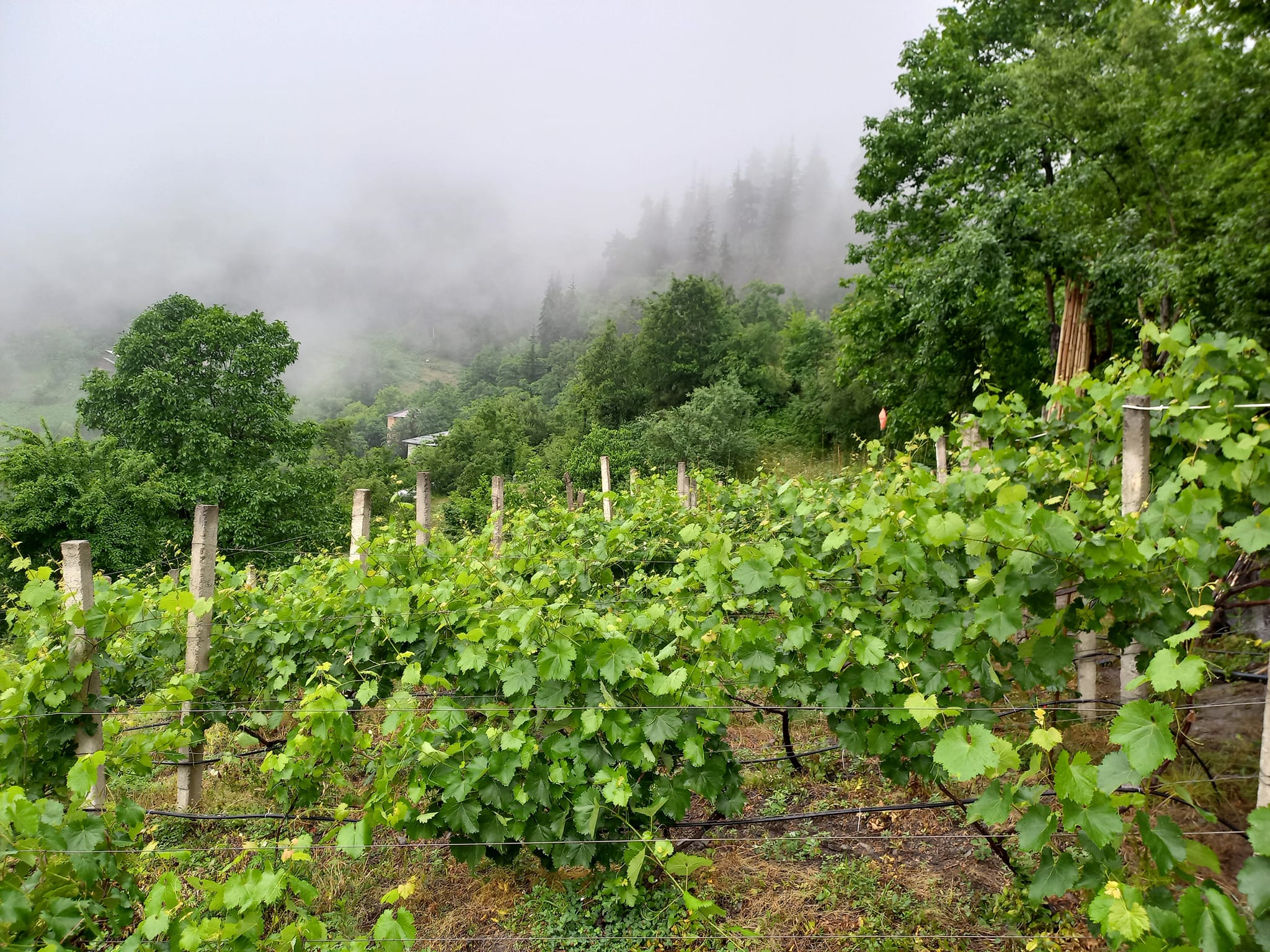
Buknari sits on the subtropical Adjaran coast at 27 metres above the Black Sea. Yellow clay soils. High humidity, high rainfall: 2,500 to 3,000 mm a year, among the wettest wine regions in the world. Nigazeuli climbs to 850 metres in the Adjaran mountains. Cooler days, cold nights, wider diurnal range. The same family plants both, fifty kilometres apart, at two different elevations.

04

UNESCO 2013

In December 2013, the Ancient Georgian traditional qvevri wine-making method was inscribed on UNESCO's Representative List of the Intangible Cultural Heritage of Humanity. The inscription covers the complete living practice, from clay to seal to open, not any single producer. We work in that tradition. Twenty-five qvevri, built in 2017, carrying a practice that is older than almost anything else humans still do.

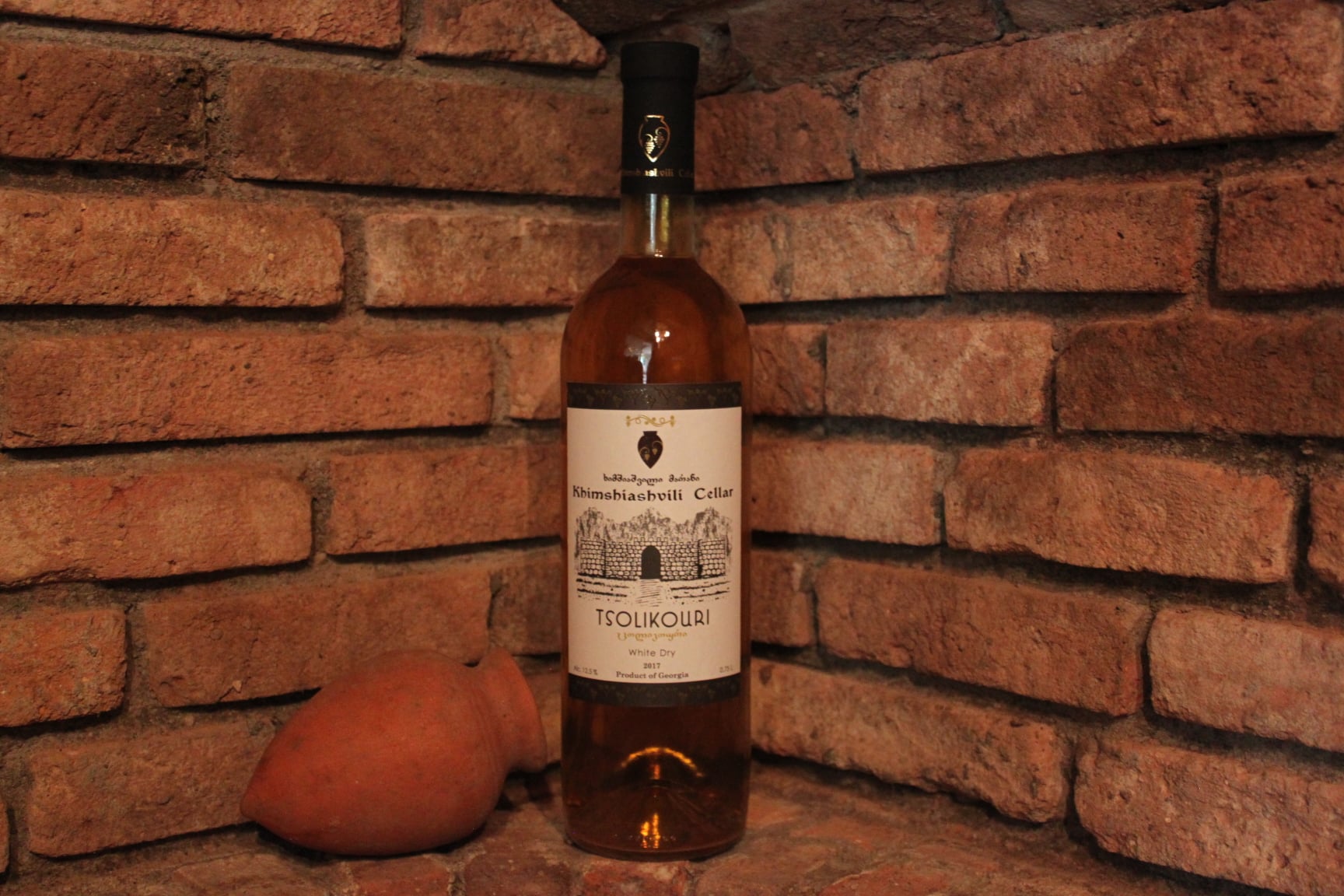
Tsolikouri resting in qvevri

Inside the marani · Tsolikouri

Harvest in Nigazeuli
The plantation
Khimshiashvili estate
The route to the cellar
25qvevri
14°Cburied temp
5–6months on skins
8,000year tradition